Pocket Hole Screw Length Calculator
Instantly determine the correct pocket hole screw length, thread type, and jig depth setting based on the exact thickness of your wood.
How to Use the Calculator
Determine your precise hardware and tool specifications by inputting your material dimensions and wood density.
- Select your material thickness using the U.S. tape measure whole inches and the 1/16th fraction dropdown (Note: always measure and input the thinner board if joining two pieces of different thicknesses).
- Choose your wood type and density (Softwood / Plywood / MDF vs. Hardwood) to establish the correct thread pitch.
Understanding Your Results
- Required Screw Length: Outputs the exact fractional hardware size (e.g., 1 1/4") needed to maximize hold without driving the tip through the face of your workpiece.
- Screw Thread Type: Specifies coarse or fine threads based on your selected wood density to prevent material splitting and joint failure.
- Jig & Drill Bit Collar Setting: Provides the precise fractional depth mark (e.g., 3/4") to lock in on your pocket hole jig block and drill bit stop collar.
Input your exact tape measure fractions to lock in the proper hardware and jig setup for a flush, professional joint.
Tools Needed
- Tape measure
- Pocket hole jig
- Drill with stepped bit and stop collar
- Square-drive screwdriver bit
- Pocket hole screws (sized to specification)
Always check local building codes and HOA guidelines before starting.
What length screws for pocket holes?
The required screw length depends on your wood's thickness. For standard 3/4" material, use a 1 1/4" screw. For 1/2" material, use a 1" screw, and for standard 1 1/2" framing lumber (like a 2x4), use a 2 1/2" screw.
Scroll up to use our calculator to lock in your exact pocket hole sizes and jig depth settings instantly.
Project Overview
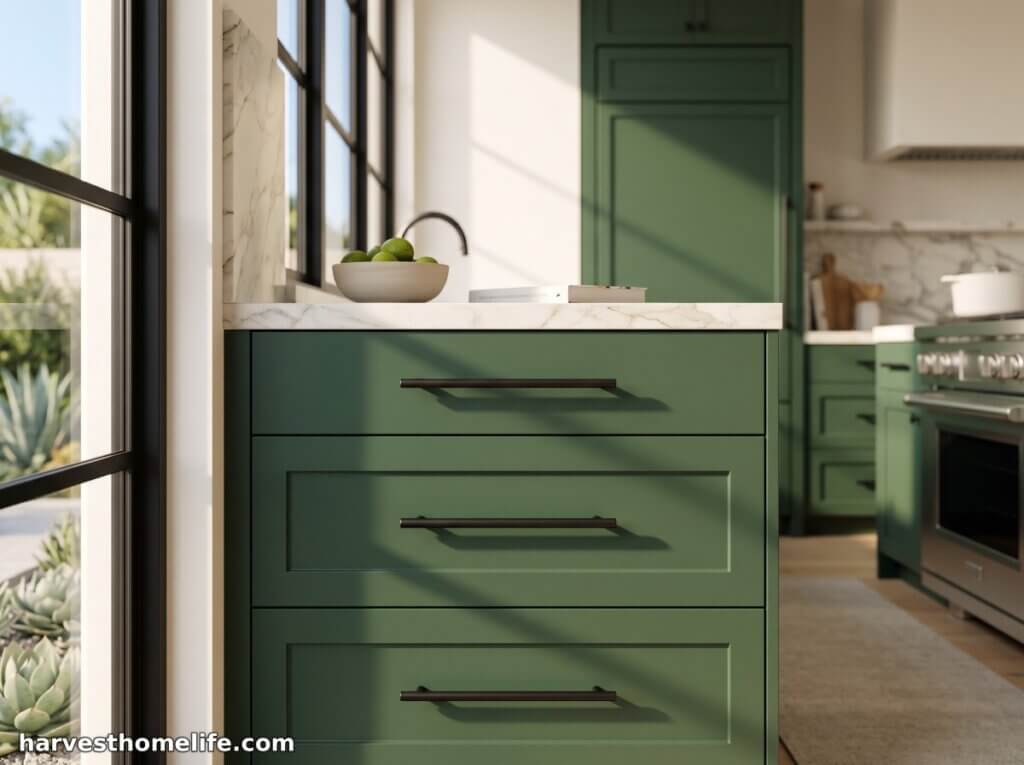
Building strong cabinets and furniture requires precise joinery, and guessing your hardware dimensions leads to blown-out panels or weak connections. This pocket hole screw length calculator instantly determines the correct setup parameters based on the exact thickness and density of the wood you are joining.
Whether you are building face frames from 3/4" hardwood or assembling shop cabinets from 1/2" plywood, dialing in your tool settings is mandatory. By entering the exact fractional thickness and wood type, you secure the correct pocket hole screw size, thread type, and jig depth setting to guarantee a tight, flush joint every time.
Pocket Hole Hardware & Material Guide
While the calculator above handles the exact math for your current layout, understanding the physical hardware is just as important for long-term joint strength. Here is a complete breakdown of how to select the right screws and thread pitches for your materials.
Standard Kreg Screw Size Chart (Reference Guide)
When you are batching out multiple parts of a project, it helps to have a standard size chart to keep your assembly line moving. Memorize this basic matrix long before dialing in your jig to guarantee a tight, flush joint.
| Material Thickness | Required Screw Length |
|---|---|
| 1/2" | 1" |
| 3/4" | 1 1/4" |
| 1 1/2" (2x4 framing) | 2 1/2" |
Coarse vs. Fine Thread Pocket Screws: Which Do You Need?
Grabbing the correct length is only half the battle. Matching the thread type to your wood's density determines the holding strength and prevents splitting.
Softwoods, Plywood, and MDF (Coarse Thread)
Coarse thread screws feature wide, deeply spaced ridges designed to bite into fibrous materials like pine, cedar, plywood, and MDF to create a rigid hold that resists pulling out under pressure.
Hardwoods like Oak and Maple (Fine Thread)
Fine thread screws are meant for dense woods. The tighter threads drive smoothly into rigid materials like solid oak, walnut, and hickory without binding, and the finer pitch prevents your hardwood from splitting when the screw seats.
Frequently Asked Questions
Q. How to determine pocket hole screw length?
A. Measure the exact thickness of the wood you are joining. If you are joining two boards of different thicknesses, you must base your screw length and jig depth setting on the thinner board to prevent the screw tip from poking through the face of your workpiece.
Q. How far apart should pocket holes be?
A. As a general rule, place your first pocket holes about 2 inches from each outside edge of the board. Space the remaining holes every 6 to 8 inches evenly along the joint line to ensure maximum clamping strength.
Q. What size pocket hole screws do professional cabinet makers use for 3/4-inch plywood?
A. Professional cabinet makers use 1 1/4-inch coarse-thread pocket screws when joining 3/4-inch plywood. The 1 1/4-inch length provides the correct depth, while the coarse threads aggressively grip the softer, fibrous internal layers of the plywood.
Planning your next project? Browse our master hub of Free DIY Home & Garden Calculators to get instant material lists, spacing math, and budget estimates.