Deck Baluster & Spacing Calculator
Determine the exact count and precise spacing for your deck balusters to ensure even gaps and code compliance.
How to Use the Deck Baluster & Spacing Calculator
Determine the exact piece count and gap spacing for your deck railing to ensure a tight, code-compliant layout.
- Railing Section Length (in): Measure the total interior distance between your railing posts. Enter the whole inches in the left text box and select the exact tape-measure fraction from the right dropdown (e.g., 1/2" or 3/4").
- Baluster Width (in): Enter the actual width of a single baluster. Remember to use actual dimensions, not nominal—a standard 2x2 wood spindle is actually 1-1/2" wide. Use the whole number box and the fraction dropdown.
- Max Gap Allowed (in): Enter the maximum allowable gap you want between balusters. Standard residential building code requires that a 4" sphere cannot pass through the rails, so 4" is the standard maximum spacing.
- Tape measure
- Speed square
- Miter saw
- Cordless drill and driver bits
- Wood spacer blocks
Understanding Your Results
- Total Balusters Needed (Exact): The calculator determines your exact piece count per section by taking the total railing length minus one maximum gap, dividing that by the combined width of one baluster and one gap, and rounding up to ensure you don't exceed the maximum allowed space.
- Exact Gap Spacing: This is the precise distance between each baluster. The math takes your total section length, subtracts the physical width of all balusters combined, and divides the remaining empty space by the number of gaps (the baluster count plus one). Cut your spacer blocks to this exact fraction.
- On-Center Spacing: This is the measurement from the dead center of one baluster to the center of the next. It equals the width of one baluster plus the exact gap spacing. Mark these dimensions on your top and bottom rails for a perfectly balanced layout.
- TOTAL BALUSTERS TO BUY: The final output automatically multiplies your exact count by a 10% waste margin and rounds up to the nearest whole piece to cover bad cuts, splits, or warped lumber.
Take this final baluster count straight to the lumber yard to buy exactly what you need without burning cash on excess material.
Always check local building codes and HOA guidelines before starting.
Project Overview
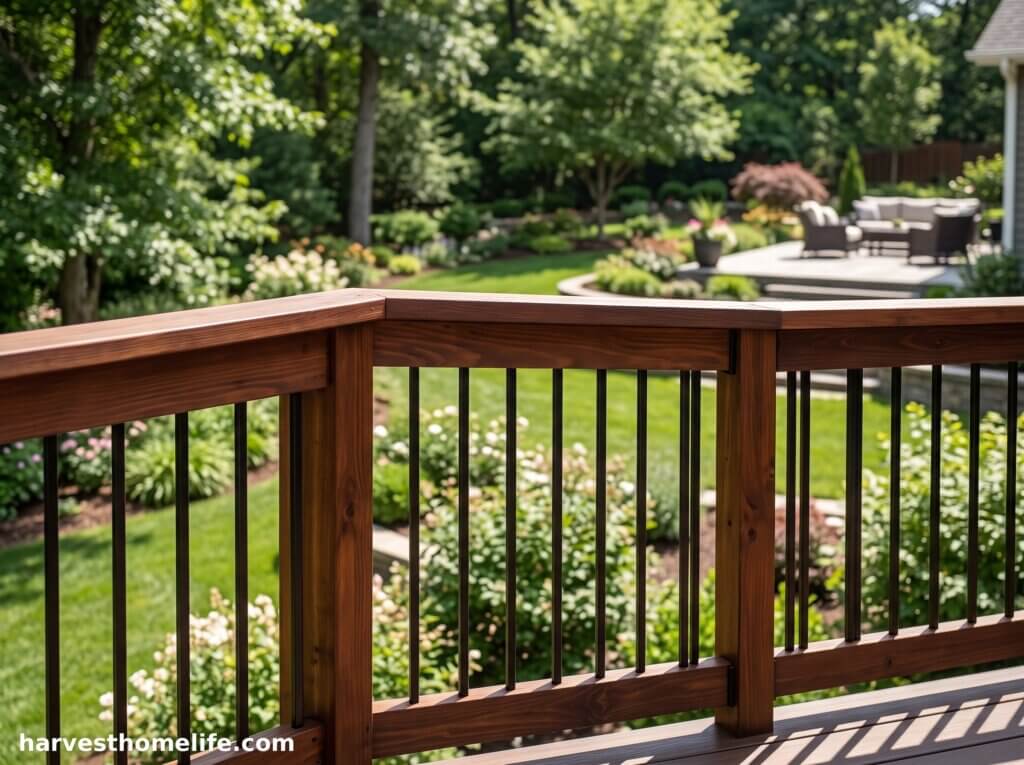
Building a safe railing requires hitting exact measurements. Guessing the gaps leaves you with uneven ends, weird visual spacing, or a failed municipal inspection. A deck baluster calculator eliminates the frustrating trial-and-error math required to center your spindles perfectly between two anchored posts. You cut exactly what you need and avoid wasting expensive materials.
Most modern composite or wood spindles measure 1-1/4" to 1-1/2" thick. Finding the correct baluster spacing on decks requires factoring in both the physical width of these materials and the strict building codes designed to prevent falls. Run your specific dimensions through the deck spindle spacing calculator above to map out your entire rail section before cutting a single piece of lumber.
How do you calculate deck baluster spacing?
To find your exact spacing, divide the total railing length by the combined width of one baluster and your target gap. Multiply that result to find your total baluster count, then adjust your final gap size so every space matches perfectly. Scroll up to use our calculator.
Frequently Asked Questions
Q. What is the building code for baluster spacing?
A. The International Residential Code dictates that gaps between balusters must not allow a 4-inch sphere to pass through. To guarantee compliance and account for natural wood shrinkage, experienced contractors typically aim for a 3-7/8"maximum gap during standard installation.
Q. How many deck balusters do I need?
A. You average about three balusters per linear foot of deck railing. A simple estimation rule is measuring your total run in feet and multiplying by three. For exact material orders, you must run your dimensions through a deck spindle calculator.
Q. Does baluster spacing change for stairs versus flat decks?
A. Yes. While flat rails strictly follow the 4-inch sphere rule, stairs have specific allowances. The triangular opening formed by the stair tread, riser, and bottom rail cannot allow a 6-inch sphere to pass. The vertical spindle gaps stay under 4 inches.
Planning your next project? Browse our master hub of Free DIY Home & Garden Calculators to get instant material lists, spacing math, and budget estimates.