Mulch & Topsoil Calculator
Determine the exact volume of mulch, topsoil, or dirt required for your landscaping projects in cubic yards, cubic feet, and standard retail bags.
How to Use the Calculator
This tool converts your exact physical tape measure dimensions into bulk supply orders (cubic yards) and precise hardware store purchases (retail bags) so you buy exactly enough material to fill your beds.
- Select Bed Shape: Choose either "Rectangle / Square" or "Round / Circular" from the dropdown menu to set the base area formula.
- Enter Length or Diameter: Use the tape measure inputs to enter your longest dimension in whole feet, whole inches, and the exact 1/16th fraction (e.g., 8' 4 1/2").
- Enter Width: If you selected a Rectangle/Square shape, input the exact width using the fractional tape measure dropdowns.
- Set Depth of Material: Input how deep you want the material to sit in whole inches and fractions (standard coverage is typically 2" to 3").
- Choose Material Type: Select your exact material to route the hardware store math correctly: Mulch (2.0 cu ft per bag), Topsoil / Raised Bed Soil (1.0 cu ft per bag), or Topsoil / Garden Soil (0.75 cu ft per bag).
Understanding Your Results
- Total Cubic Feet (cu ft): Your exact baseline volume formatted as a strict decimal (e.g., 24.5 cu ft), calculated by multiplying your square footage by your depth in decimal feet.
- Total Cubic Yards (cu yd): The standard unit used by bulk suppliers and contractors. We divide your total cubic feet by 27 to generate this exact decimal volume (e.g., 0.91 cu yd).
- Retail Bags Required: Your hardware store shopping list. The tool divides your total cubic feet by your selected bag size (2.0, 1.0, or 0.75) and always rounds up to the nearest whole bag so you never fall short during installation.
Using this topsoil calculator eliminates the guesswork, ensuring you do not run back to the store for three extra bags or overpay for a bulk delivery you don't need.
Materials Needed
- Shredded Hardwood or Cedar Mulch (sold in 2.0 cu ft bags or bulk yards)
- Premium Raised Bed Organic Soil (sold in 1.0 cu ft bags)
- Standard Garden Soil or Topsoil (sold in 0.75 cu ft bags)
- Heavy-duty landscape fabric (optional, for weed blocking under the soil)
- Landscaping staples (to secure fabric before pouring dirt)
Tools Needed
- 25-foot fractional tape measure
- 6-cubic-foot heavy-duty steel wheelbarrow
- Round point digging shovel (for transferring bulk materials)
- 14-tine steel bow rake (for leveling the material depth)
- Utility knife (for opening retail bags)
Always check local building codes and HOA guidelines before starting.
How much mulch do I need?
To determine exactly how much mulch you need, multiply your bed's length by its width to get the square footage, then multiply that by your depth in decimal feet to get total cubic feet. Divide the cubic feet by 27 to find your total cubic yards.
If you hate doing manual fraction-to-decimal conversions, simply plug your tape measure readings into the exact dimensions tool above to get your bulk yardage and retail bag count instantly.
Project Overview

Estimating yard materials accurately is a common frustration for DIYers and homeowners. You might measure a space perfectly, only to realize that hardware stores sell supplies in cubic feet while bulk suppliers sell it in cubic yards. Our mulch calculator bridges that gap by allowing you to input the exact fractional numbers straight off your tape measure and instantly giving you the decimal volumes required for purchasing.
Whether you need a topsoil estimator for grading a large backyard or a precise raised garden bed soil calculator for a 4' x 8' vegetable plot, understanding the math prevents wasted money. Buying heavy materials in bags often costs more per unit than buying in bulk, but ordering bulk delivery for a small project incurs hefty trucking fees. Knowing your exact cubic yardage and exact bag count lets you quickly compare the cheapest route for your specific project scale.
Garden Bed Volume & Material Guide
Below is a breakdown of the contractor math and material standards used to size your landscaping orders perfectly.
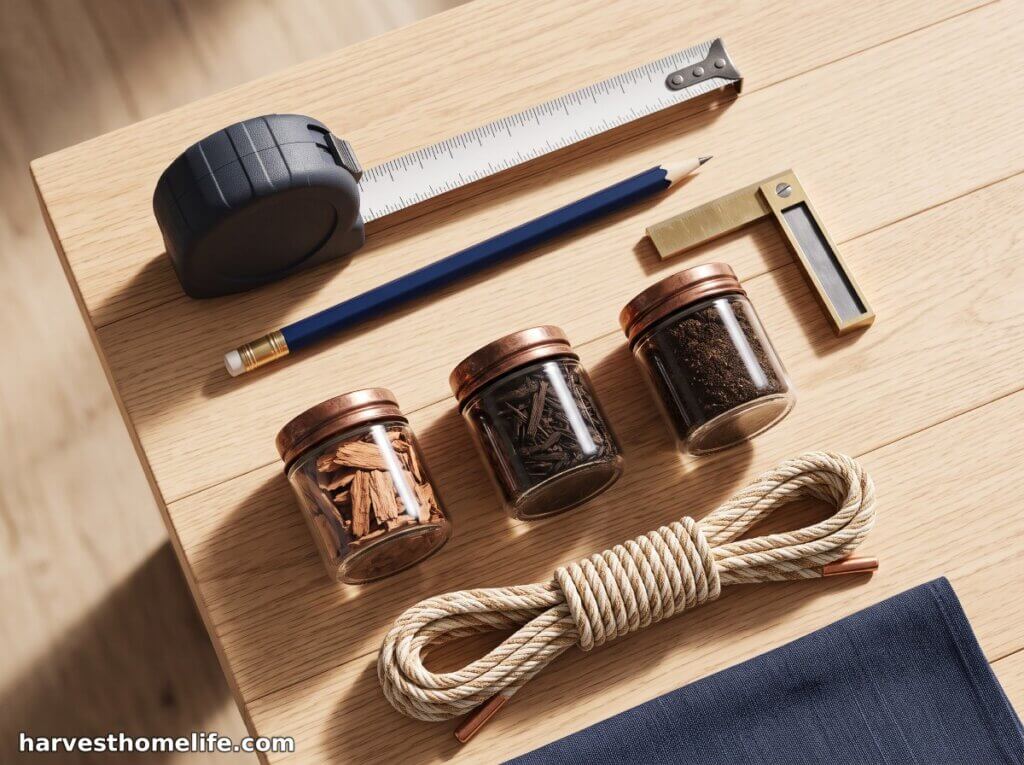
Measuring Your Bed (Rectangles vs. Circles)
To calculate volume, you must establish a 2D base area first. For standard rectangular or square beds, you multiply the length by the width. For circular features like tree rings, you measure the total diameter straight across the middle, divide that by 2 to get the radius, and multiply the radius squared by pi (3.14159). Once you establish the square footage of the base area, you multiply it by the depth to generate a 3D volume.
Standard Mulch and Topsoil Depths for Optimal Growth
Volume changes aggressively based on depth. For decorative mulch, contractors strictly recommend a depth of 2" to 3". Anything shallower allows weeds to penetrate and moisture to evaporate quickly. Anything deeper suffocates plant roots and invites fungal growth. When filling raised beds from scratch with topsoil, depths typically range from 8" to 12" depending on the root systems of the vegetables or flowers you plan to grow.
The Contractor Math Behind the Volume Estimator
Converting Cubic Feet to Cubic Yards
Suppliers sell bulk materials by the cubic yard. A cubic yard is a block of space measuring 3 feet wide, 3 feet long, and 3 feet deep. Since 3 x 3 x 3 equals 27, there are exactly 27 cubic feet inside one cubic yard. To convert any project's cubic foot total into yards, divide the total cubic feet by 27.
Standard Bag Sizes for Mulch vs. Soil
Not all bags at the hardware store cover the same amount of space. Manufacturers package lighter materials in larger bags and heavier materials in smaller bags so they remain safe for consumers to lift. Our estimator routes your math based on the industry-standard packaging dimensions outlined below.
| Material Type | Standard Retail Bag Volume |
|---|---|
| Wood Mulch (Cedar, Hardwood, Pine) | 2.0 cubic feet |
| Topsoil / Premium Raised Bed Soil | 1.0 cubic feet |
| Dense Garden Soil / Compost Blends | 0.75 cubic feet |
Frequently Asked Questions
Q. How many cubic feet of soil are in a yard?
A. There are exactly 27 cubic feet in one cubic yard. To convert your project's total cubic feet into cubic yards for a bulk delivery, simply divide your cubic foot total by 27.
Q. How much mulch is in a bag?
A. A standard retail bag of mulch contains 2.0 cubic feet of material. However, denser materials like topsoil or raised garden bed soil are typically sold in smaller 1.0 or 0.75 cubic foot bags because they weigh significantly more.
Q. How much does a professional landscaping contractor charge per yard of mulch?
A. Landscaping contractors typically charge between $50 and $150 per cubic yard of mulch installed. This price usually includes the bulk cost of the mulch itself (around $20 to $40 per yard) combined with delivery and labor fees.
Planning your next project? Browse our master hub of Free DIY Home & Garden Calculators to get instant material lists, spacing math, and budget estimates.