Kitchen Cabinet Paint Calculator
Determine the exact number of gallons and quarts of primer and paint required to fully cover your kitchen cabinets based on door, drawer, and frame surface area.
How to Use the Calculator
This tool calculates the exact total paintable surface area of your cabinets and determines the precise retail quantities of primer and paint needed.
- Upper Cabinets Length: Measure the total linear length of your upper cabinets. Select the whole inches and use the dropdown for exact tape measure fractions down to the 1/16″.
- Lower Cabinets Length: Measure the total linear length of your lower base cabinets, again inputting the whole inches and exact fraction.
- Number of Cabinet Doors: Enter the physical count of all cabinet doors.
- Number of Cabinet Drawers: Enter the physical count of all drawer fronts.
- Painting the Inside?: Toggle Yes or No. Painting interiors drastically increases your total surface area.
- Primer Coats: Enter the number of primer coats you plan to spray or roll (defaults to 1).
- Paint Coats: Enter the number of finish paint coats (defaults to 2).
- Waste Factor %: Set your waste percentage to account for overspray or spills (defaults to 10%).
Understanding Your Results
- Total Paintable Area: The calculator converts your linear footage and physical door/drawer counts into a strict decimal square footage. It automatically allocates 4 sq. ft. per door (front, back, edges) and 2 sq. ft. per drawer (front, edges).
- Retail Primer Needed: Multiplies your paintable area by your primer coat count and waste factor, then divides by a standard 350 sq. ft. per gallon coverage rate to convert the raw decimal volume into practical store buying units (exact gallons and quarts).
- Retail Paint Needed: Multiplies your paintable area by your coat count and waste factor, then formats the required paint volume into whole gallons and quarts.
The calculator utilizes “The Hardware Store Rule” so you never get a useless decimal output like “1.3 gallons”—you get exact gallons and quarts to buy exactly what you need without overspending.
Tools Needed
- Tape measure (reading down to 1/16″ increments)
- Step ladder
- Notepad and pencil
Materials Needed
- High-quality bonding primer (exact quarts/gallons calculated above)
- Cabinet-grade enamel paint (exact quarts/gallons calculated above)
- Painter’s tape
- 220-grit sanding blocks
- TSP or heavy-duty degreaser
- Drop cloths and plastic masking
Always check local building codes and HOA guidelines before starting.
How many gallons of paint for kitchen cabinets?
On average, a standard kitchen requires about 1 to 2 gallons of paint and 1 gallon of primer for exterior cabinet surfaces. For an exact number, use a cabinet paint calculator that factors in your specific linear footage, door count, and drawer count.
Plug your exact measurements and physical door counts into the calculator above to get your custom material list.
Project Overview
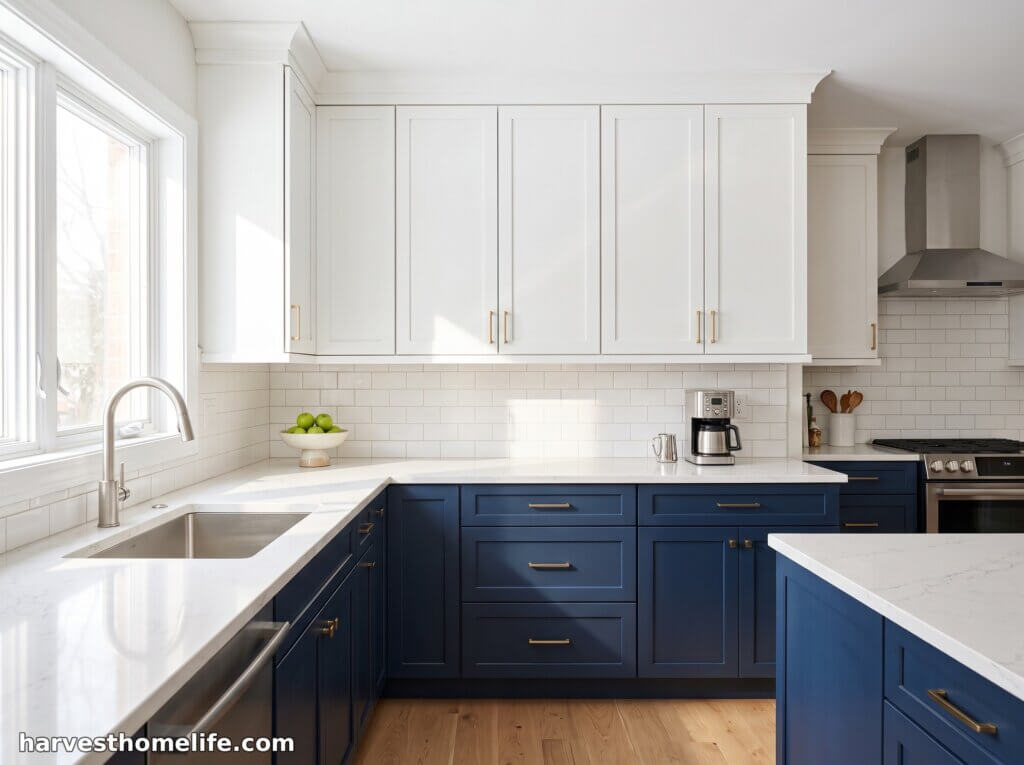
Using a precise paint calculator for kitchen cabinets removes the guesswork from your refinishing project. Instead of eyeballing the layout and making multiple trips to the hardware store, you need hard math based on physical dimensions. This tool takes your linear space and door counts and applies professional estimation standards to output exact material requirements.
Whether you are spraying exteriors only or brushing the interiors as well, a reliable cabinet paint calculator ensures you buy the right amount of product. By applying standard 350 sq. ft. coverage rates and formatting the results into retail quarts and gallons, this kitchen cabinet paint calculator saves you money and prevents mid-project material shortages.
Cabinet Paint Math and Prep Guide
How to Calculate Total Surface Area for Cabinet Doors
When calculating paint coverage for cabinet doors, you must account for the front, back, and all four outer edges. A standard painting industry rule is to allocate exactly 4 square feet per door. This formula ensures you have enough material coverage without needing to measure every individual door face.
Why Painting Cabinet Interiors Requires More Material
Painting the inside of your cabinets dramatically increases the total surface area. While exterior boxes require multiplying your total linear footage by 2.5, adding the interiors and shelving adds a multiplier of 6, bumping your total multiplier to 8.5.
Always double-check your total area if you plan to paint the inside, as it often more than doubles your required paint gallons.
Frequently Asked Questions
Q. How much paint do I need for kitchen cabinets?
A. On average, a standard kitchen requires about 1 to 2 gallons of paint and 1 gallon of primer for exterior cabinet surfaces. For an exact number, use a cabinet paint calculator that factors in your specific linear footage, door count, and drawer count.
Q. Do you paint the inside of kitchen cabinets?
A. Generally, you do not need to paint the inside of kitchen cabinets unless they feature glass doors or open shelving. Painting interiors significantly increases the surface area and can more than double the amount of paint required for your project.
Q. How long do painted kitchen cabinets last?
A. Properly prepped and painted kitchen cabinets can last 8 to 15 years. Using a high-quality bonding primer and applying at least two topcoats of durable cabinet enamel are the most critical factors for maximizing longevity.
Planning your next project? Browse our master hub of Free DIY Home & Garden Calculators to get instant material lists, spacing math, and budget estimates.